Recipe Development2 min read
Cost the Dish Before You Fall in Love With It
The most expensive moment in menu development is the one where a chef decides a dish is going on before anyone has worked out what it costs.
Written by Sergei Khatsanov
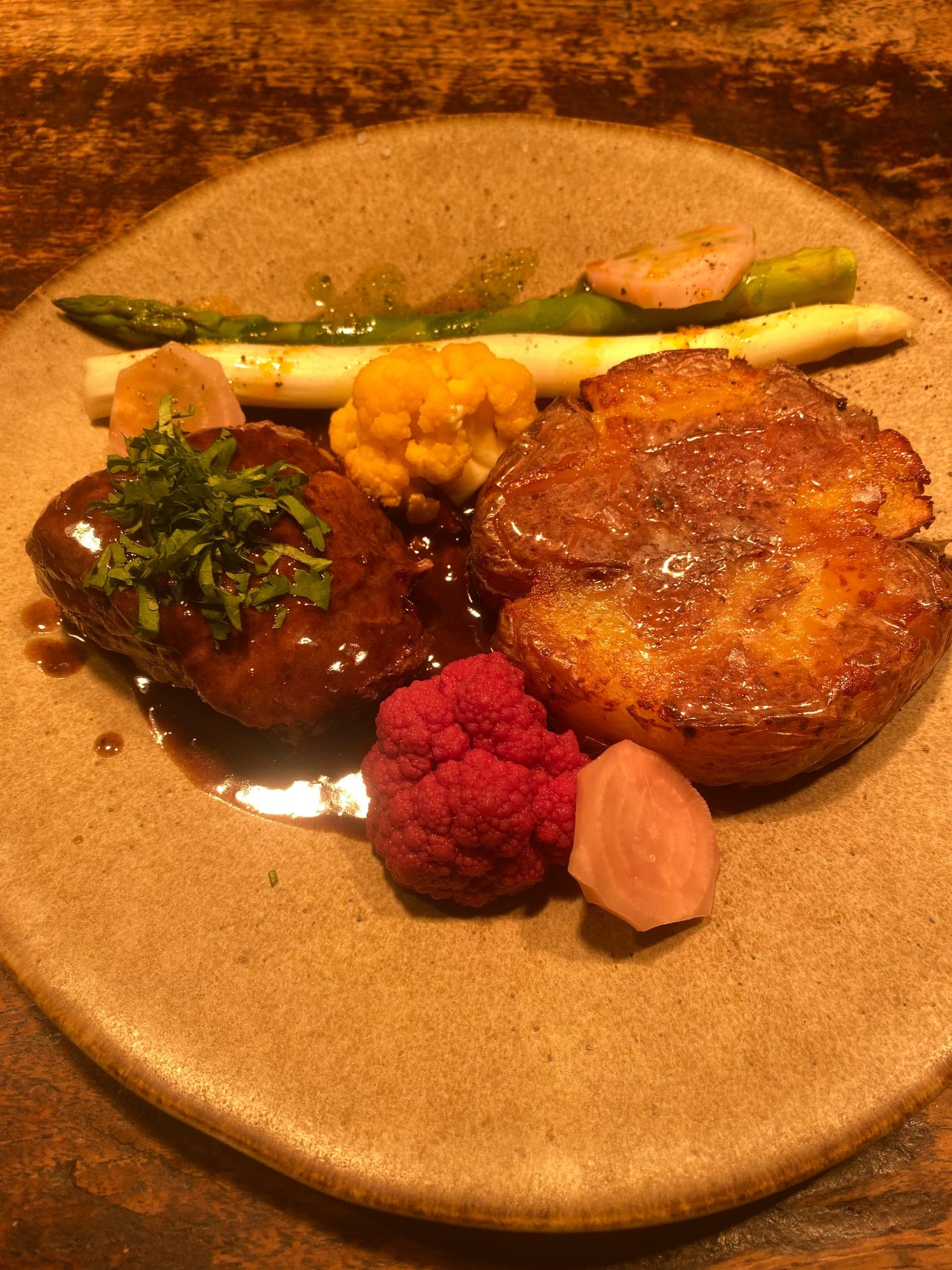
Every chef has put a dish on a menu they couldn't afford. It photographs beautifully, guests order it, and it quietly loses money on every cover until someone runs the numbers in month four.
Cost at the prototype, not at the launch
The reason this keeps happening isn't bad maths. It's sequence. By the time a dish is costed, it has usually been tasted by the owner, praised by the team and photographed. Nobody wants to be the person who kills it over eighty cents.
Cost it the first time you make it, before anyone else tastes it. At that point it's a number on a page and changing it is free.
Count what most kitchens don't
- Trim loss: you bought a kilo, you plated six hundred grams. Cost the kilo.
- The garnish. Individually trivial, collectively the difference between 28% and 34%.
- Oil, butter and seasoning. Rarely counted, always used.
- Wastage on anything with a short hold life.
- The labour hours the dish adds to prep, the cost that never appears on the invoice.
A dish is not profitable because the food cost is low. It's profitable because the food cost is low and the prep time is short.
Margin is a range, not a rule
A blanket target across every item is lazy. Some dishes exist to make money and some exist to make the menu make sense. A signature dish can carry a thinner margin if it's the reason people booked; a side dish carrying a 22% cost can subsidise it.
What matters is the weighted margin across what actually sells, which means you need sales-mix data before you can judge whether the menu is working.
Re-cost on a schedule
Ingredient prices move. A menu costed once at launch and never revisited is a menu costing what it cost a year ago. Quarterly is enough for most kitchens; monthly if you're carrying volatile proteins.
The habit takes an hour. Skipping it takes a season to notice and a year to recover from.