Kitchen Workflow2 min read
The Prep List Is the Real Menu
A menu is a promise to the guest. The prep list is the promise to the kitchen, and it's the one that determines whether the other gets kept.
Written by Sergei Khatsanov
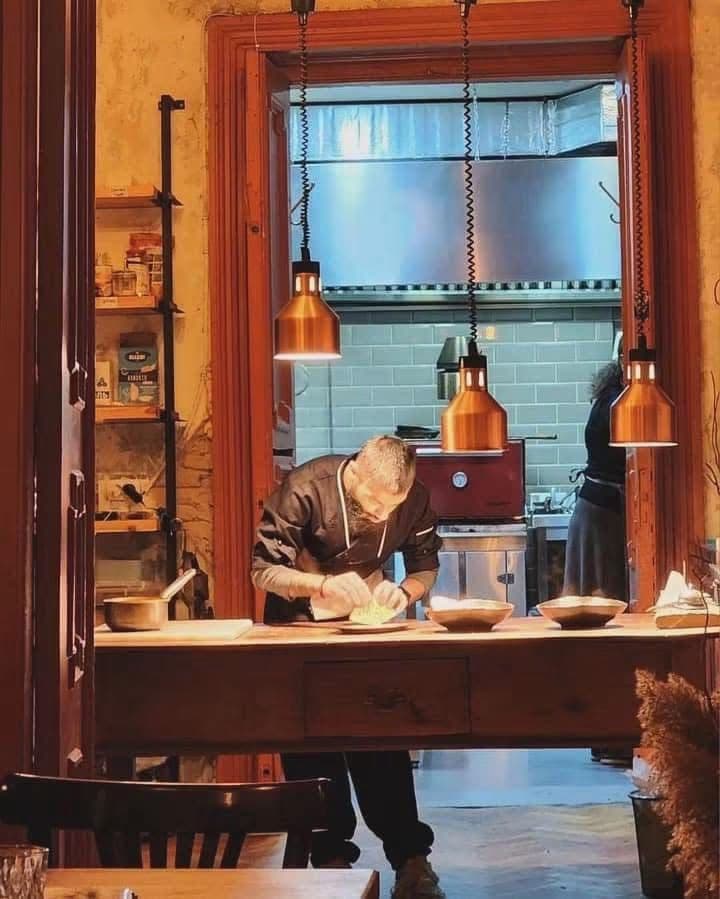
You can tell how a restaurant is going to run before service starts. Not from the menu, but from whether anyone can tell you, without checking, what has to be made today and how much of it.
Menus degrade quietly
A menu written without reference to prep capacity doesn't fail loudly. It erodes. A garnish gets dropped because there was never time to make it. A sauce gets held longer than it should. Six weeks later the dish going out has the same name and half the components, and nobody decided that. It just happened.
Every one of those decisions was made by a cook at 6pm under pressure, which is the worst possible time and the worst possible person to be making menu decisions.
Build the list before you finalise the menu
The order most kitchens use is: design the menu, then work out the prep. Reversing it costs nothing and prevents almost all of this.
- Write out every component each dish requires, not each dish.
- Group components that share a technique, a piece of equipment or a section.
- Total the labour hours. Compare that to the hours you actually have.
- If it doesn't fit, cut at the design stage, where it's a decision, not an accident.
A dish that can't be prepped on a Tuesday morning has no business being sold on a Saturday night.
Par levels turn a list into a system
A prep list without quantities is a to-do list, and a to-do list gets interpreted. Par levels remove the interpretation: this is the quantity, this is who checks it, this is what happens when it's short.
Set pars against actual sales data, not intuition. Most kitchens over-prep the things they enjoy making and under-prep the things that sell, and the waste bin is where you find out.
The test of a good list
The head chef takes a day off and service runs the same. That is the entire measure. If the kitchen only functions because one person is holding the whole menu in their head, the restaurant doesn't have a system. It has a hostage situation.
The point of writing it down isn't bureaucracy. It's that the standard survives a change of staff, a busy week, and the eventual day the person who designed it moves on.