Recipe Development2 min read
Why Your Dough Works on Tuesday and Fails on Saturday
If a dough formula only holds on quiet nights, it isn't a formula. It's a coincidence. Here's what actually changes between a slow service and a full one.
Written by Sergei Khatsanov
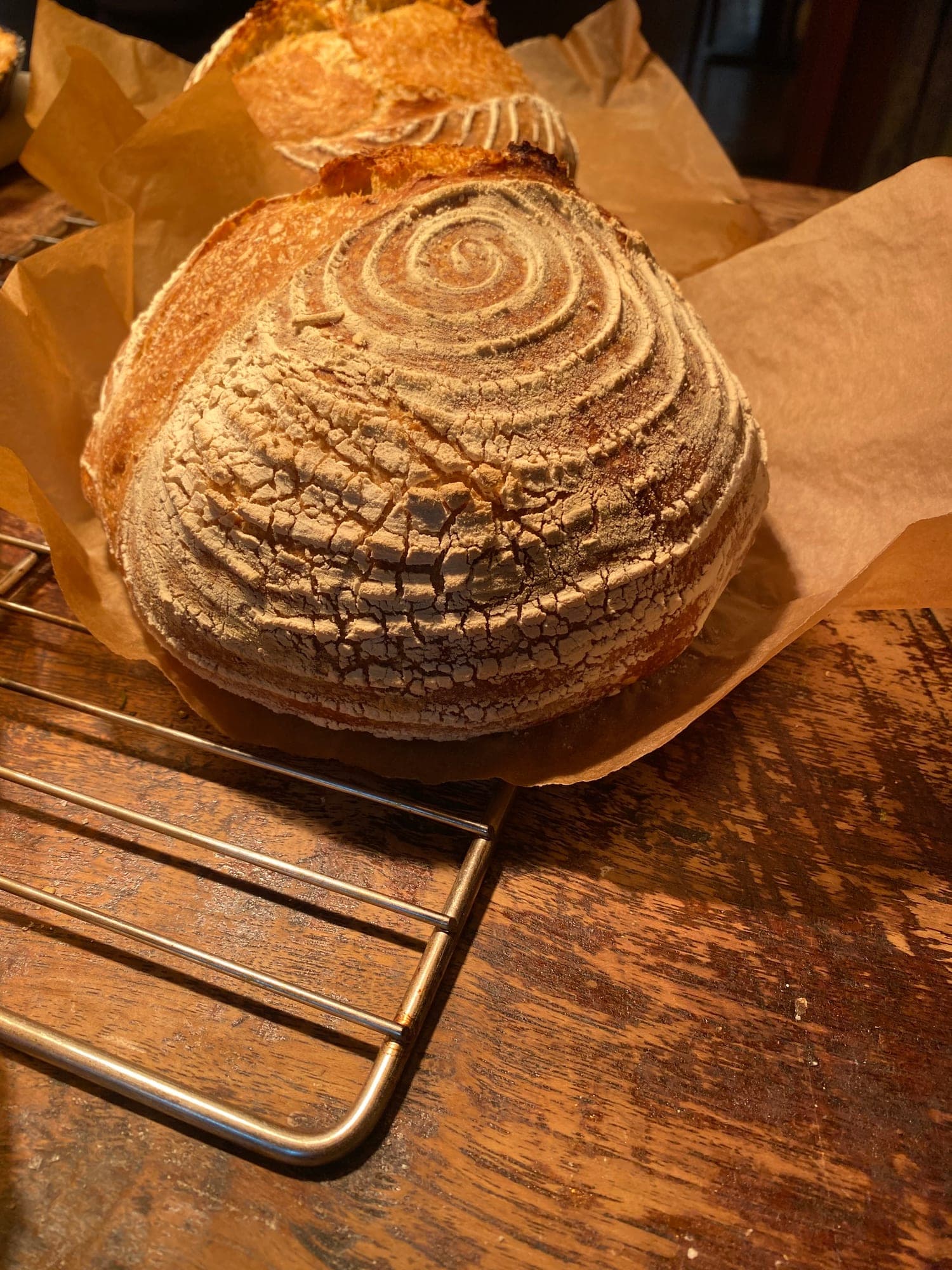
Almost every pizzeria I've walked into with an inconsistency problem has the same recipe pinned to the wall, and the same shrug when you ask why Saturday's bases blow up. The recipe isn't the problem. The recipe is the only thing in the building that didn't change.
Dough responds to the room, not the recipe
A kitchen at eleven in the morning and the same kitchen at eight on a Saturday night are two different environments. The ovens have been on for nine hours. There are four more bodies on the line. The ambient temperature has moved eight or ten degrees, and every one of those degrees is accelerating fermentation in the tubs stacked nearest the pass.
The dough hasn't disobeyed the formula. It has followed the formula perfectly under conditions the formula never specified.
Weight and time are written down. Temperature almost never is, which is why it's the variable that breaks you.
Write the temperature down
Final dough temperature is the single most useful number in a bakery or a pizza kitchen, and most kitchens don't measure it. Mixing generates heat. Flour stored near an oven is warmer than flour stored in a cellar. Water straight from the tap in August is not the same ingredient as water from the tap in February.
Fix the target, say 24°C off the mixer, and adjust the water temperature to hit it. That one habit removes most seasonal drift on its own.
Cold retard is a scheduling tool
Holding shaped dough cold overnight is usually sold as a flavour technique, and it does develop flavour. But its real value in a working kitchen is that it decouples fermentation from service.
- Dough proofs on a schedule you set, not on the schedule the room imposes.
- Saturday's dough was made under Friday's conditions, which you controlled.
- A busy night no longer accelerates the product you're about to sell.
- Prep becomes predictable, so labour becomes predictable.
Then stop trusting your hands
Experienced chefs judge dough by feel, and that judgement is real. It's also the first thing to degrade when you're eleven hours in and running three sections. Feel is how you catch a problem. It is not how you prevent one.
Prevention is a written target temperature, a timed retard, and a scale. Everything else is recovery.
What to change first
If you only do one thing this week: buy a probe thermometer, record the final dough temperature on every mix for seven days, and write the ambient kitchen temperature next to it. By the end of the week the pattern will be obvious, and you'll be able to see your Saturday problem before it reaches the oven.